
🛍️
Added to Cart

From the Kashmir valley

How to Identify Real Kashmiri Saffron (Kesar)

A simple buying guide

Saffron, or kesar, is one of the most copied spices in the world, and Kashmiri Mongra saffron is especially high in demand — which also makes it a common target for fake or mixed products. Here are simple tests you can do at home, without any lab, to check if your saffron looks genuine.

Colour Deep crimson-red, not orange or bright red
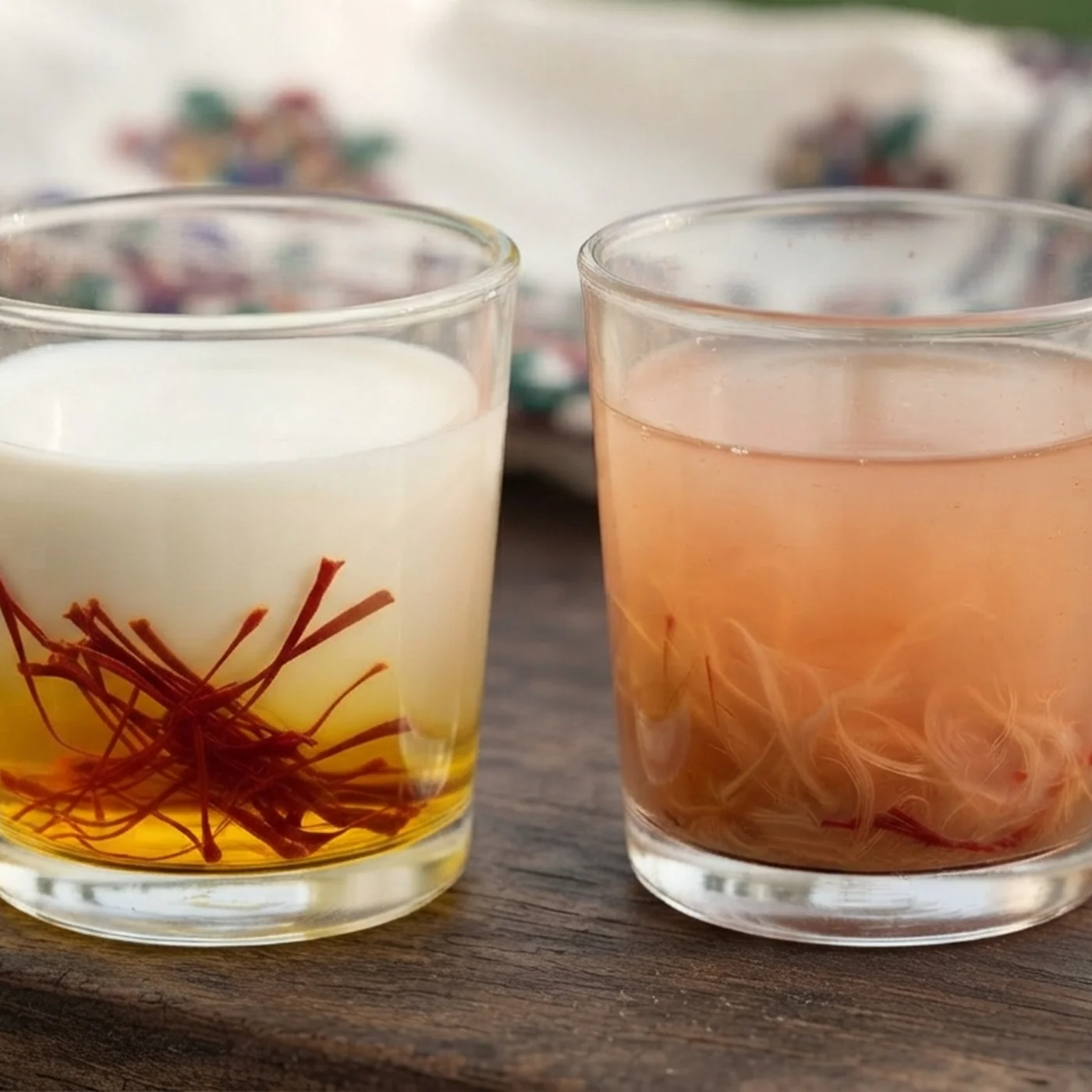
Water/milk test Colour releases slowly, over 10-15 minutes
Aroma Earthy, honey-hay smell, slightly bitter-sweet
Realistic price Roughly ₹350-600 per gram for genuine Mongra

Check the colour first

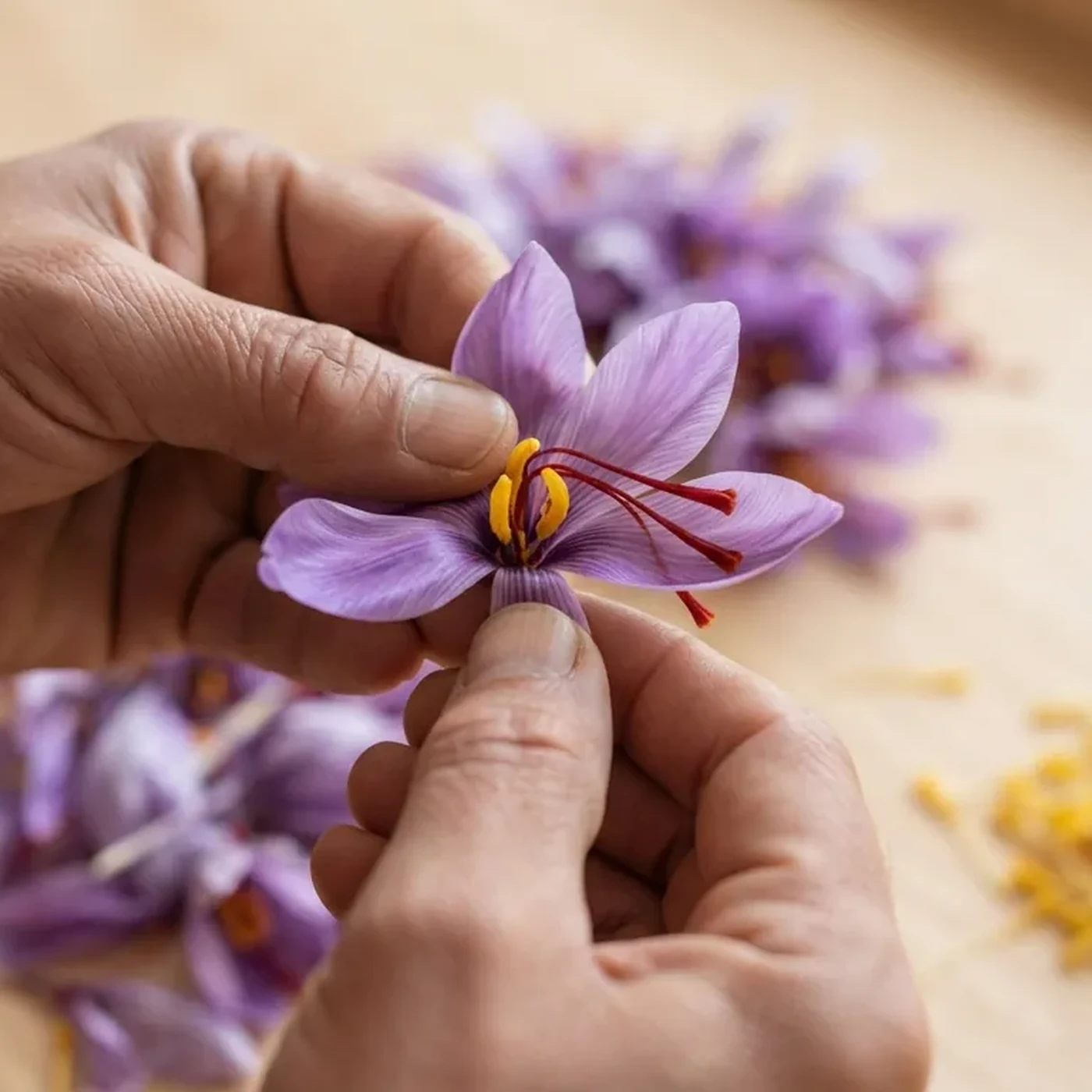
Real Kashmiri Mongra saffron threads are a deep crimson-red colour, not bright orange or light red. If the threads look mostly orange, or if you see a lot of pale yellow threads mixed in, be careful — these yellow parts are often the flower's style, which has very little flavour or colour value, mixed in to increase weight.

Do the water or milk test

Drop a few threads into a small bowl of lukewarm water or warm milk, and watch what happens. Real saffron releases its golden-red colour slowly, usually taking 10 to 15 minutes to fully colour the water. If the water turns bright red or orange within a few seconds, this is a strong warning sign of artificial colour being added. Real saffron simply does not release its colour that fast.
How to Identify Real Kashmiri Saffron (Kesar) in everyday use

Smell it carefully

Genuine saffron has an earthy smell, often described as similar to honey and dried hay, with a slightly bitter-sweet edge. It should not smell like nothing at all, and it should also not smell strongly sweet or like a food flavouring — both can be signs of a fake or heavily mixed product.

Be realistic about the price

Genuine Kashmiri Mongra saffron is a labour-intensive crop — it takes a huge number of flowers to get even a small amount of saffron, which is why it is genuinely expensive, usually somewhere around ₹350 to ₹600 per gram, depending on grade and season. If you see Kashmiri saffron being sold at a price that seems too good to be true, it probably is. Very cheap "Kashmiri saffron" is one of the most common ways fake or diluted product is sold online.

Buy from a source that is transparent

Since these home tests give a good indication but are not a lab-level guarantee, the safest step is buying from a seller who is upfront about sourcing, grade, and pricing. You can view our current stock and grade details on the Kashmiri Mongra Saffron (Kesar) product page.

Good to know

Frequently Asked Questions about How to Identify Real Kashmiri Saffron (Kesar)

Why does saffron colour release slowly in water?

Real saffron's colour compounds release gradually, which is why genuine threads take 10-15 minutes to fully colour water or milk. A very fast colour release, within seconds, usually points to added artificial colour.

Are yellow saffron threads fake?

Not exactly fake, but the yellow part is the flower's style, which has very little flavour or colour compared to the red stigma. A high proportion of yellow threads mixed in usually means lower quality or added weight.

Why is real Kashmiri saffron so expensive?

It takes a very large number of saffron flowers, all hand-picked, to produce even a small amount of dried saffron. This labour-heavy process is the main reason genuine Kashmiri Mongra saffron costs around ₹350-600 per gram.

Can I be 100% sure with home tests alone?

Home tests like colour, water test and smell give a strong indication, but they are not a full lab test. Buying from a transparent, trusted seller is the safest additional step.

Where can I buy genuine Kashmiri Mongra saffron online?

You can order it from our Kashmiri Mongra Saffron (Kesar) product page.

For ingredients, pack sizes, specifications and full buying details, visit the main Kashmiri Mongra Saffron (Kesar) – Grade A1+ page →