
🛍️
Added to Cart

From the Kashmir valley

How Do I Recognize Organic Kashmiri Walnuts?

A simple buying guide

"Organic" is a word used a lot in marketing, and it can be hard to know what it really means for something like walnut. Since most Kashmiri walnut is grown by small farmers using traditional methods, here is a simple, honest way to think about it, and what signs to look for.

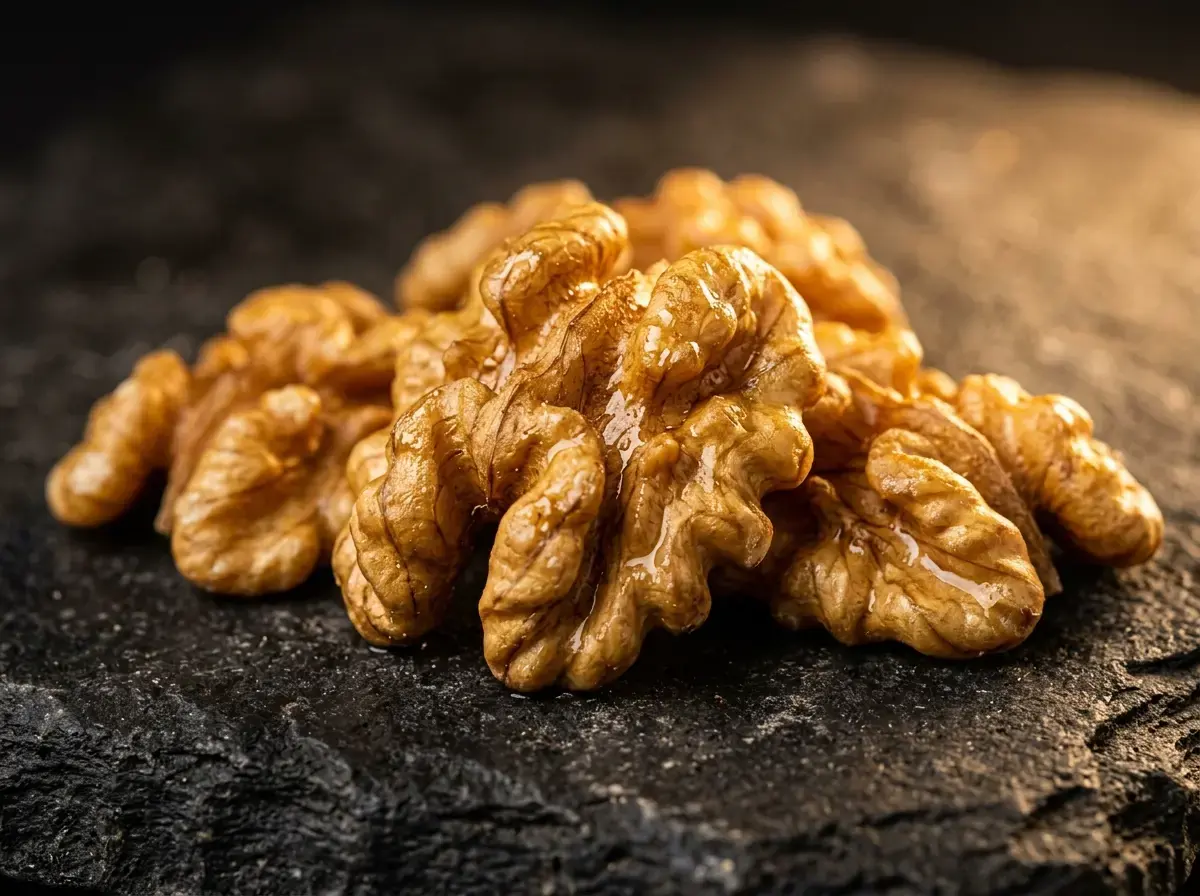
Kernel colour Light golden to light brown, not bright white
Kernel smell Fresh, nutty smell, no chemical or oily smell
Shell colour Natural tan/brown, never bright bleached white
Shell weight A heavier shell for its size usually means a fuller kernel inside

What "organic" really means for walnut

For a food to be officially certified organic, it needs to go through a formal certification process with proper documentation. Many small Kashmiri walnut farmers grow their trees using traditional methods, without heavy chemical spraying, but may not have this formal paper certification. We want to be honest with you: unless a product clearly shows a certification mark, do not fully rely on the word "organic" alone. Instead, here are practical signs that point towards naturally grown, minimally processed walnut.

Check the kernel colour

A naturally grown, minimally processed kernel is light golden to light brown. A kernel that looks bright white has often been treated or bleached in some way, which is more common in walnut grown and processed on a larger, more industrial scale.
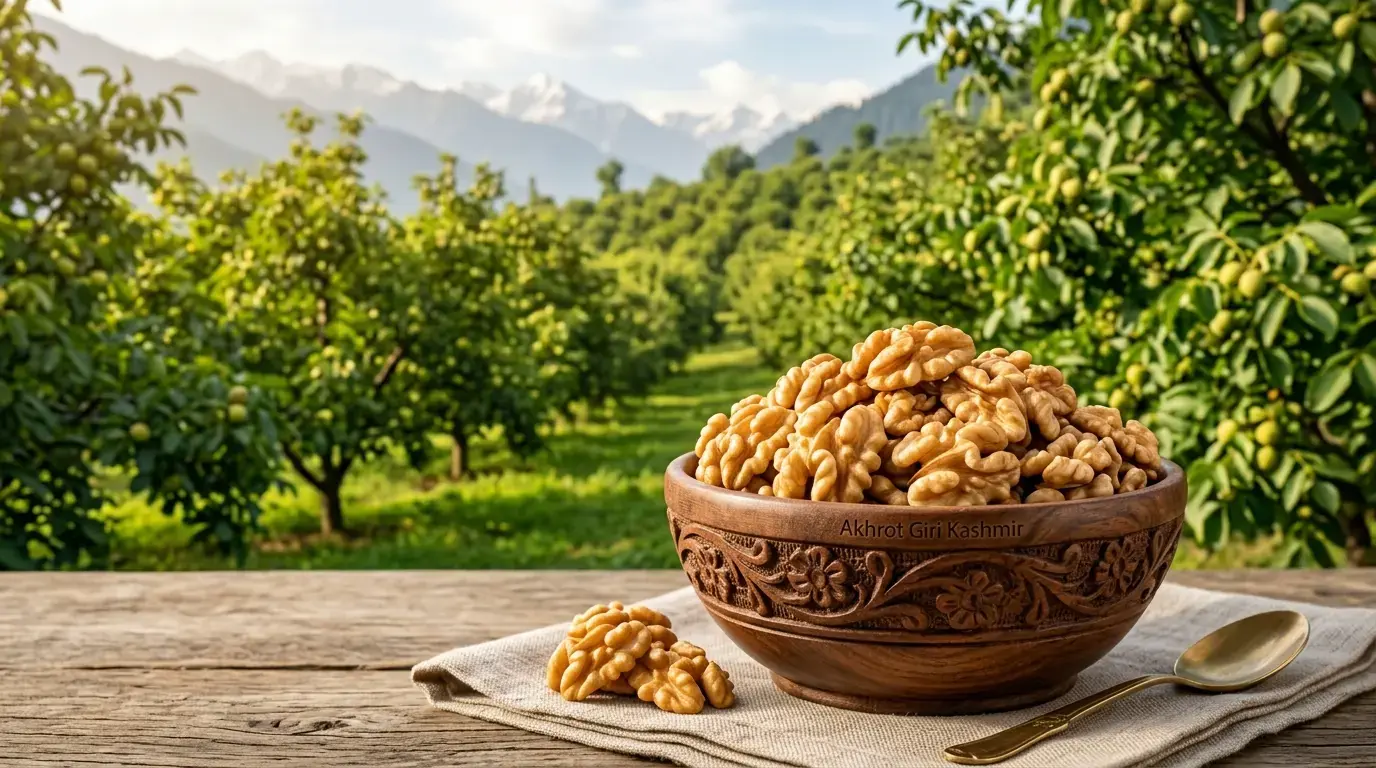
How Do I Recognize Organic Kashmiri Walnuts? in everyday use

Smell before you decide

Give the kernel a smell. It should have a fresh, nutty smell. If you notice any chemical or strongly oily smell, that is usually a sign of poor processing or storage, not a naturally grown product.

Check the shell

The outer shell should be a natural tan or brown colour, never bright bleached white. Also, pick it up and feel the weight — a shell that feels heavier for its size usually means a fuller, better-developed kernel inside, rather than a shrunk or dried-out one.

Buy from a source that tells you where it comes from

Since "organic" without certification is really about trust, the most reliable step is buying from a seller who is clear about which farms and villages the walnut comes from. We source ours directly from small growers in Kashmir and explain our sourcing on our Kashmiri Walnut Kernels (Akhrot Giri) product page.

Good to know

Frequently Asked Questions about How Do I Recognize Organic Kashmiri Walnuts?

Is all Kashmiri walnut officially certified organic?

Not all of it. Many small farmers grow walnut using traditional, low-chemical methods, but may not have formal organic certification. We recommend checking for an actual certification mark if that is important to you, rather than relying on the word alone.

Why is bright white kernel colour a warning sign?

Naturally grown, minimally processed walnut kernel is usually light golden to light brown. A bright white colour often points to some form of chemical treatment or bleaching.

Does a heavier walnut shell mean better quality?

Generally, yes. A shell that feels heavy for its size usually contains a fuller, better-developed kernel, rather than one that has dried out or shrunk.

What smell should I avoid in walnut kernel?

Avoid kernels with a strong chemical or overly oily smell. Fresh, well-stored walnut should smell simply nutty.

Where can I buy naturally grown Kashmiri walnut online?

You can order from our Kashmiri Walnut Kernels (Akhrot Giri) product page, sourced directly from small growers in Kashmir.

For ingredients, pack sizes, specifications and full buying details, visit the main Premium Kashmiri Walnut Kernels (Shahi Akhrot Giri) page →