
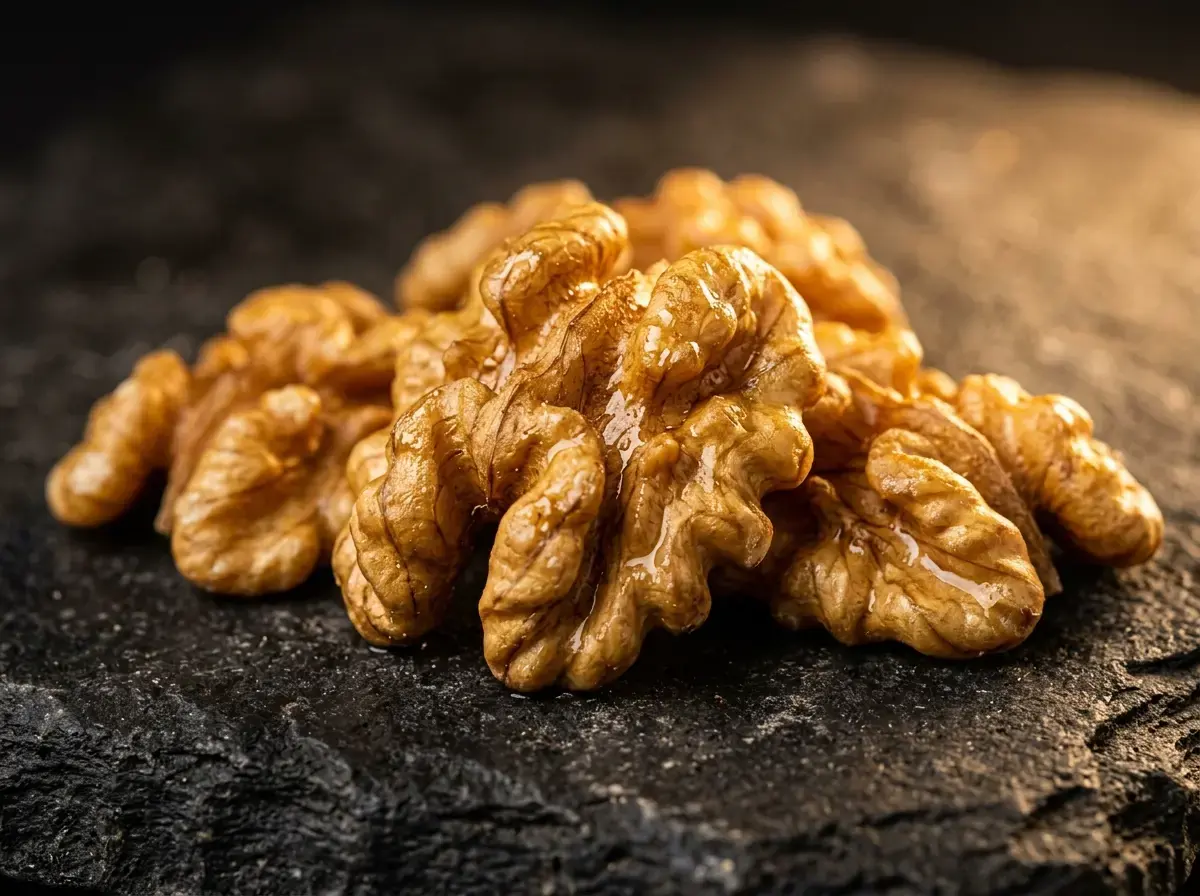
What does Kagzi mean?
"Kagzi" comes from the Hindi word "kagaz", meaning paper. Kagzi walnut gets this name because its shell is thin and light, almost like paper, compared to thicker-shell varieties like Burzul or Wonth. This thin shell makes Kagzi walnut easier to crack open by hand, without needing much force or tools, which is one reason people often prefer it for direct snacking.
Why Kagzi kernels are considered premium
Because the shell is thin, a bigger share of each walnut's total weight is the actual kernel, not the shell. This generally means better value for the amount of edible walnut you get. Our Kagzi walnut is grown in Pahalgam and Kulgam, and every batch is hand-sorted before packing, to remove broken pieces, shell bits, and any kernels that are not fresh.
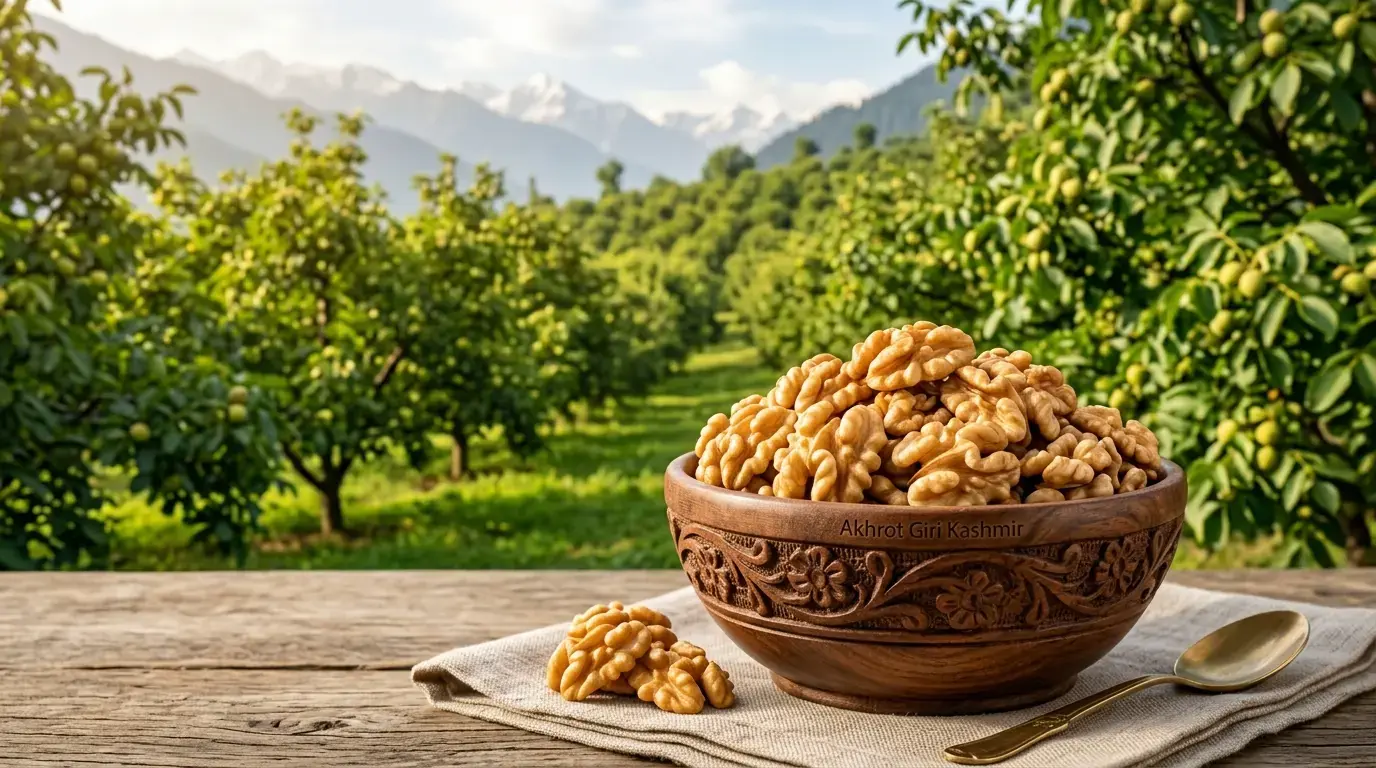
How Kagzi kernels look and taste
A good Kagzi kernel is light golden to light brown, with a natural, slightly uneven shape. The taste is sweet, with a light natural bitterness, which is normal and is actually a good sign of freshness, not a defect.
How to use Kagzi Akhrot Giri
Eat it directly as a snack, mix into your morning oats or dalia, add to ladoo and halwa, or use in baking. In Kashmiri kitchens, it is also ground with garlic to make Doen Chetin chutney — our Kashmiri Mountain Garlic (Ek Pothi Lehsun) pairs well for this. Store in an airtight container, in a cool and dry place, away from sunlight, to keep the kernels fresh for longer.