
Is Himalayan Garlic a different plant from regular garlic?
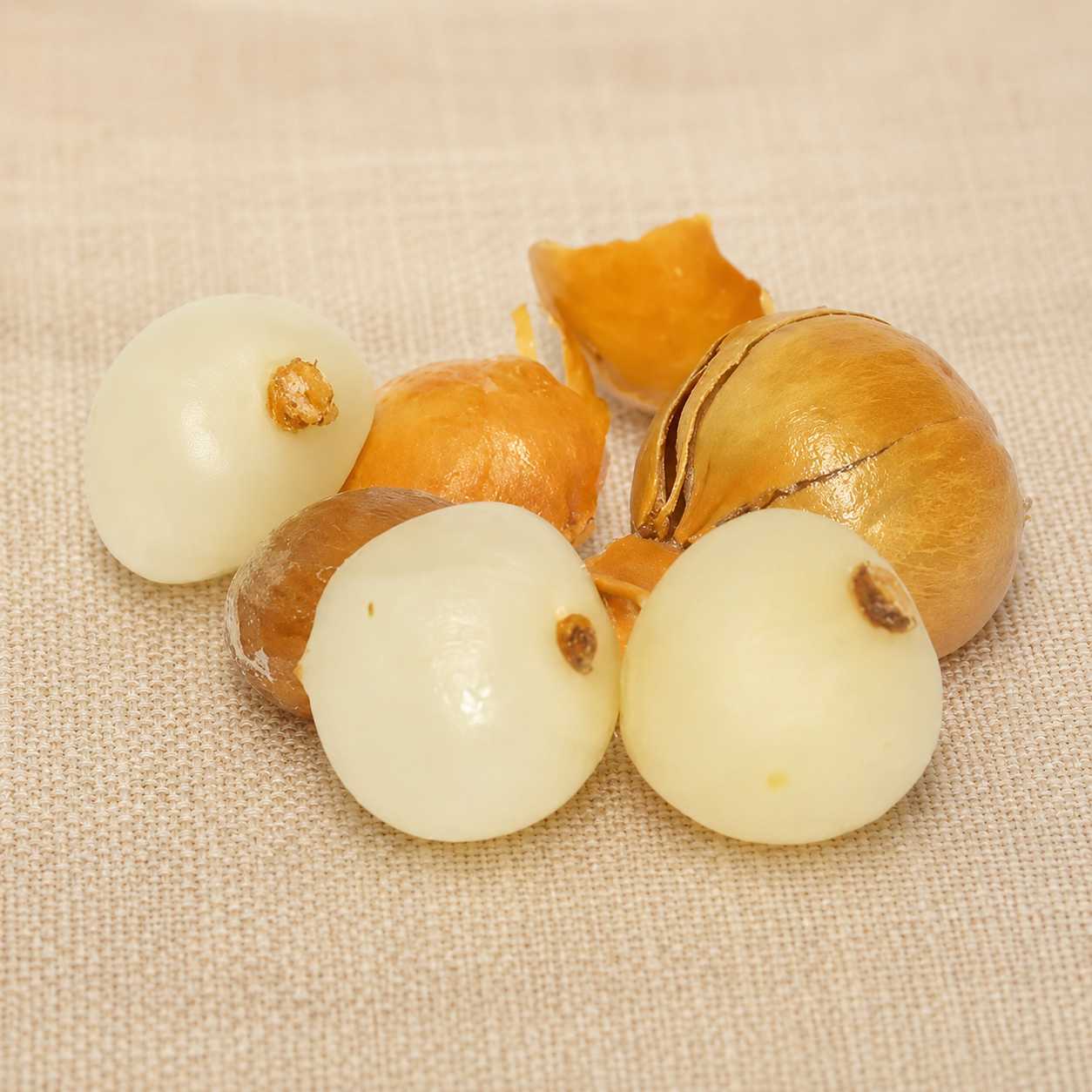
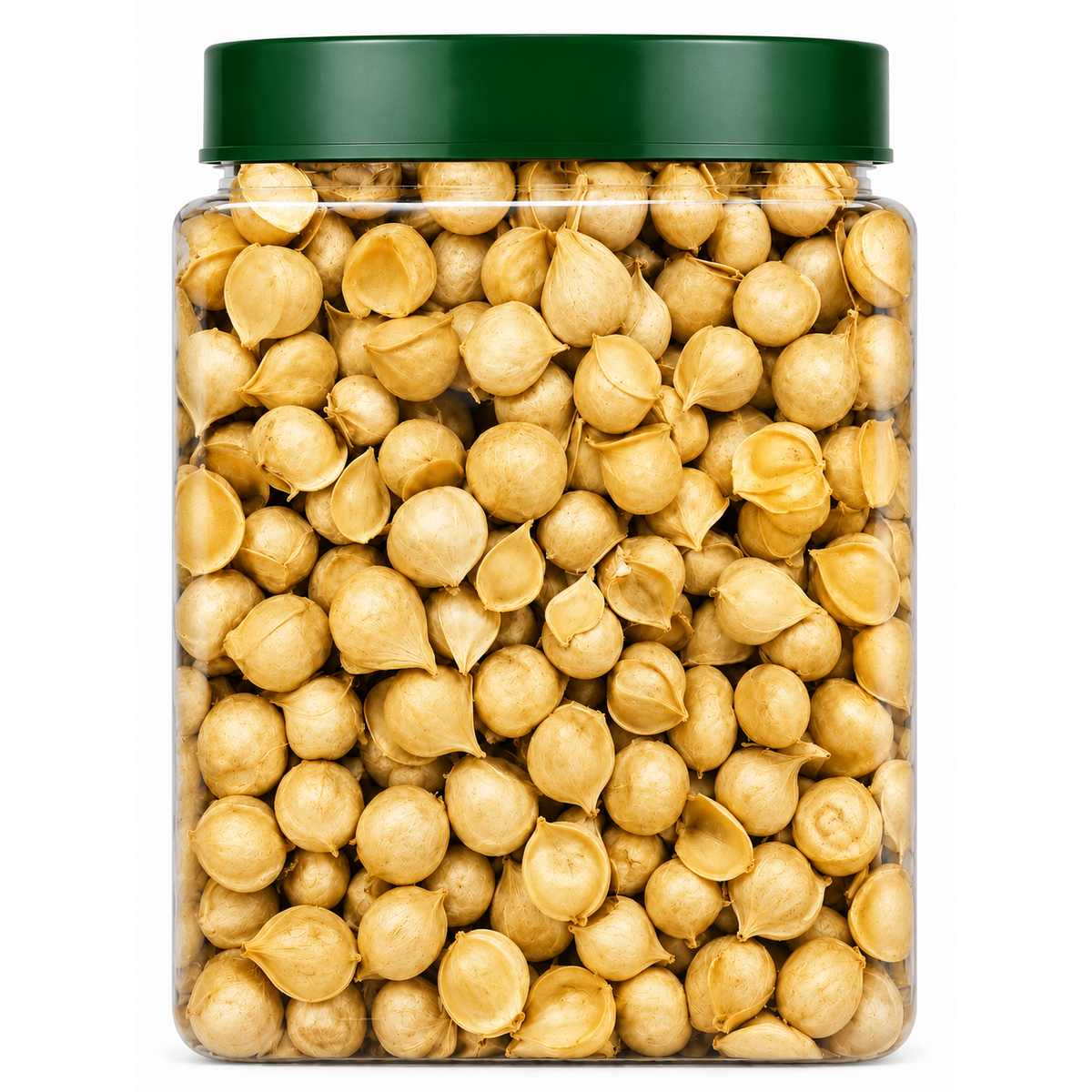
Scientifically, both regular garlic and Himalayan Garlic belong to the same plant species, called Allium sativum. So in the strict botanical sense, it is not a separate species — it is the same plant. But within one species, there can be different natural forms, called varieties or landraces, that develop their own traits depending on where they grow for many generations. Kashmiri Mountain Garlic is one such variety — grown for a very long time in high, cold, rocky Himalayan land, it has developed into a single-clove form with its own smell, taste and appearance, different from the multi-clove garlic grown in warmer plains.
Why growing in the Himalayas changes the garlic
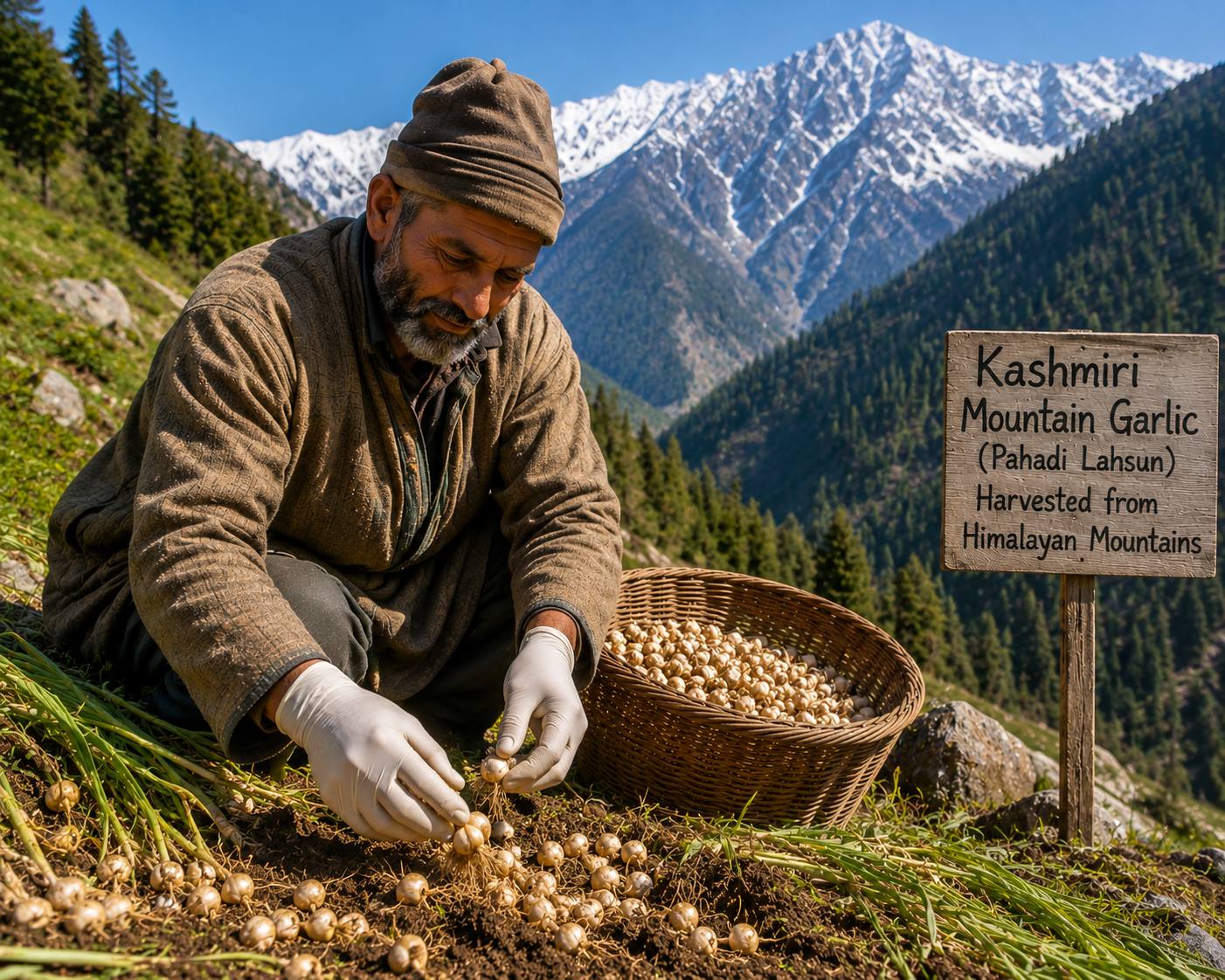
This garlic is grown above 1,800 metres, in the hills of Anantnag, Kulgam and Pulwama — real Himalayan land, not just "hill-sounding" marketing land. In winter, the bulbs survive under snow and sub-zero temperatures. Plants that grow slowly, in cold weather and rocky mountain soil, generally form the way this garlic has: one solid clove, a thicker outer skin for protection, and stronger natural oils inside. Regular garlic, grown quickly in warm plains, splits into many small, thin-skinned cloves instead. The growing conditions are the real reason behind the difference — not any artificial treatment or breeding.
How to tell it apart from regular garlic
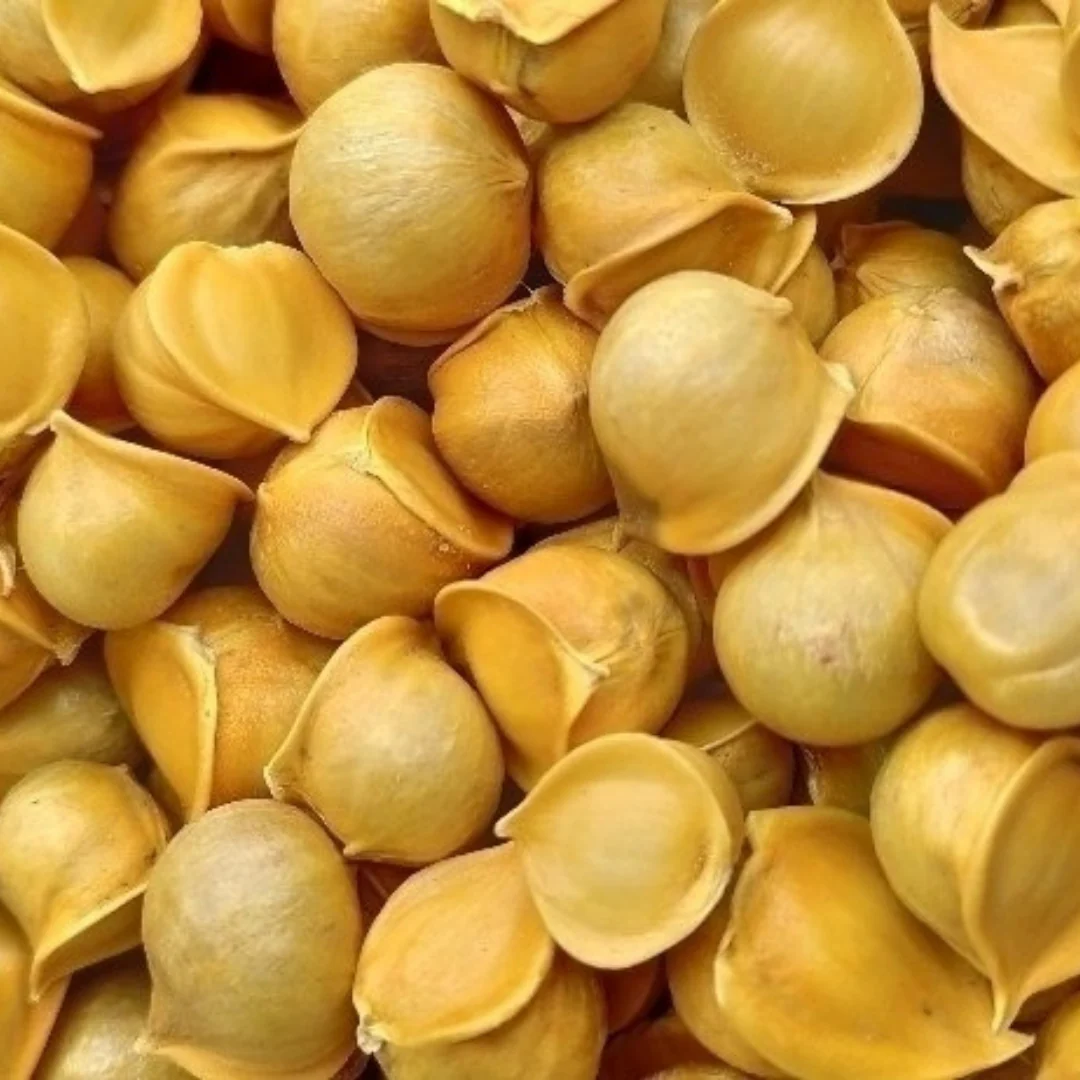
There are a few simple signs. One: it is a single clove, not many small ones, inside each bulb. Two: the outer skin is thicker and more papery, often with a light pink-purple tinge. Three: the smell is noticeably stronger as soon as you crush it. Four: it does not come from the plains — genuine Himalayan Garlic is grown at real hill altitude in Kashmir, not in flat, low-lying farmland. If a garlic is sold as "Himalayan" but splits into many small cloves like ordinary garlic, it is very likely just regular garlic with a fancy name.
What this means for taste and cooking
Because the whole bulb's oils and flavour stay in one piece instead of being spread across many small cloves, this garlic tastes and smells noticeably stronger than regular garlic. A small amount goes a long way in cooking. In Kashmiri cooking, this strength is valued — many traditional dishes, like an authentic wazwan curry, are considered incomplete without it. You can find our harvest, sourced directly from these Himalayan hill farms, on the Kashmiri Mountain Garlic (Ek Pothi Lehsun) product page.