🛍️
Added to Cart

From the Kashmir valley

Kashmiri Razma — The Heart Bean of Kashmir

Kokernagi Wajzi Razma, from our own kitchens

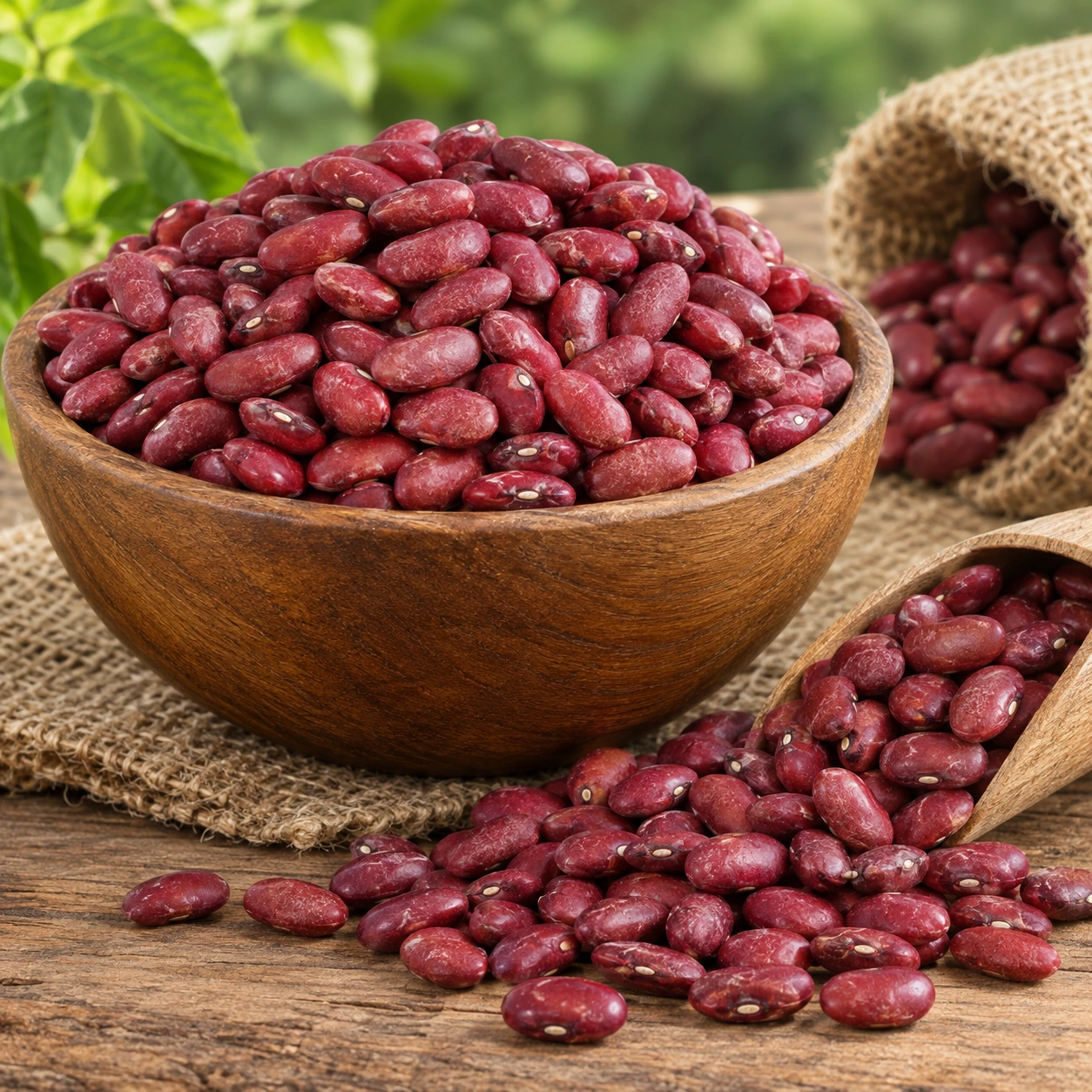
We call it the Heart Bean of Kashmir, and there are two simple reasons for that — one, if you look closely at one small Kokernagi razma, its shape is genuinely close to a tiny heart, kidney-shaped like the bean family it belongs to. Two, in a real Kashmiri home, razma is not just any pulse in the store — it sits at the heart of our weekly cooking, the way rajma-chawal sits at the heart of a Punjabi home. This page explains honestly what makes our Wajzi Razma from Kokernag genuinely different from regular rajma you find elsewhere.

Local name Wajzi Razma, Kokernagi Razma
Grown in High-altitude spring-fed fields of Kokernag, South Kashmir
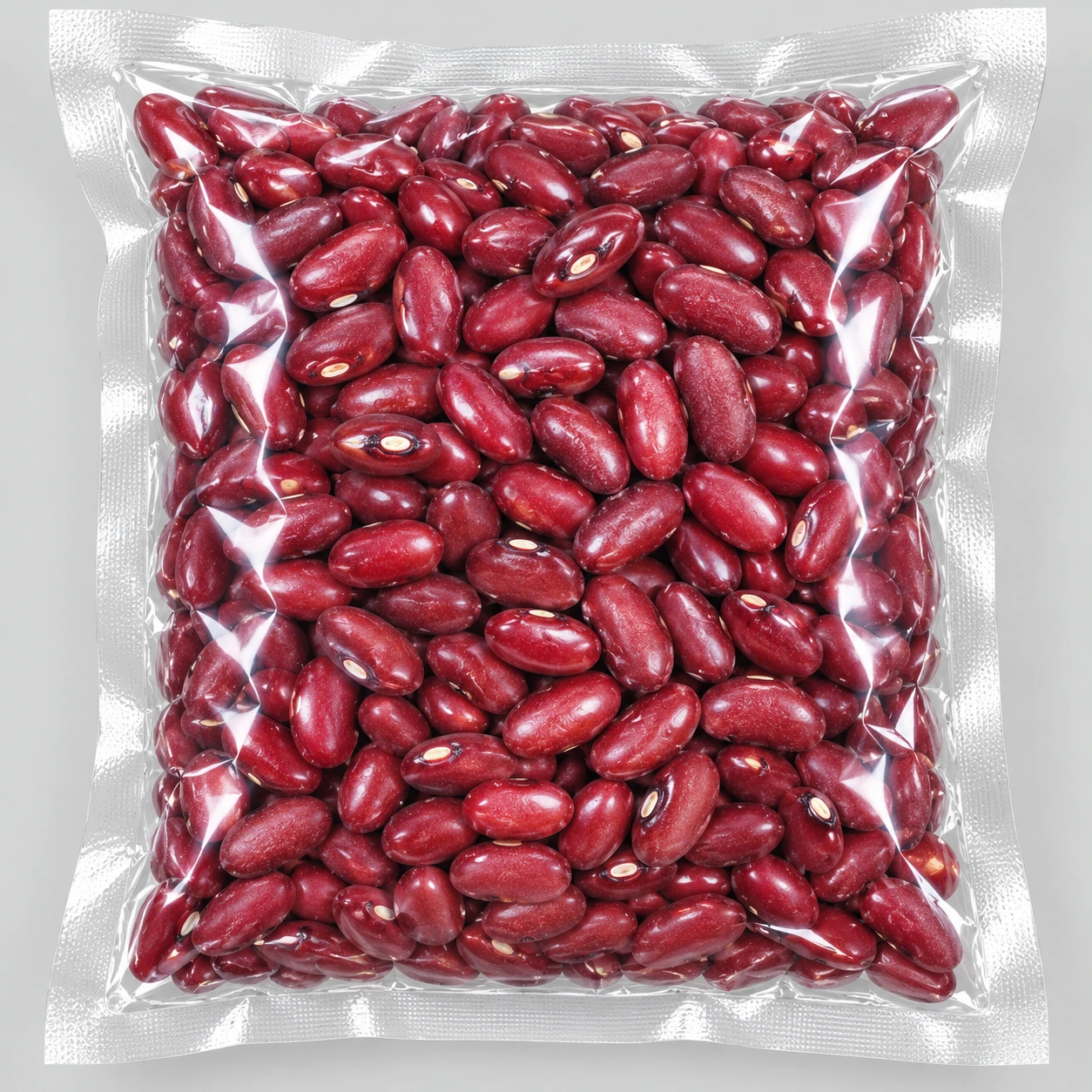
Size Small, compact bean, darker red-maroon colour than plains rajma
Cooking time Softens faster than big hybrid rajma, no baking soda needed

Why "Heart Bean" — Not Just A Nice Name

We did not pick this name only because it sounds nice. If you have ever sat cleaning razma before soaking, the way our mothers do every week, you will notice each small Kokernagi bean has a soft, natural heart-like curve to it, more than the big flat hybrid rajma sold in plains markets. And in a real sense also, razma sits at the heart of a Kashmiri kitchen — a big steel pot of razma simmering slowly on a winter afternoon is one of the most common smells in Kashmiri homes.

Where It Actually Grows
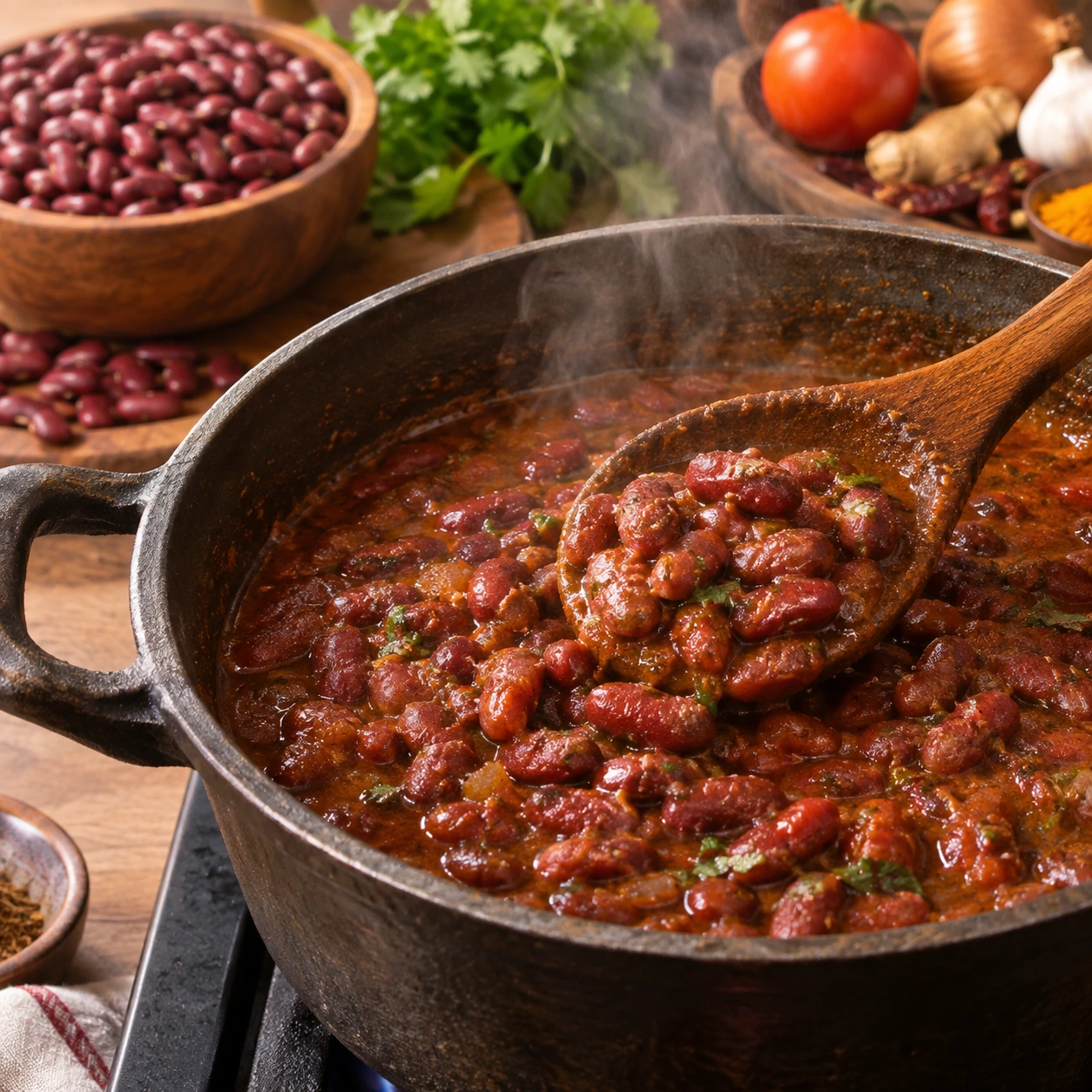
Kashmiri Razma — The Heart Bean of Kashmir in everyday use

Our razma comes from Kokernag, in South Kashmir, an area known for its natural springs and high-altitude terraced fields. Farmers here have grown this small rajma variety for generations, mostly on small family plots, harvested and cleaned by hand, not by big machines. This is why you will genuinely see slight difference in size and colour from batch to batch — it is a real farm crop, not something made identical in a factory.

How It Is Different From Regular Rajma

Big rajma sold commonly in the plains is usually bigger, lighter in colour, and can stay a little hard even after long boiling, which is why many people add baking soda while cooking it, to soften it faster. Kokernagi Wajzi Razma is smaller, darker red to maroon in colour, and genuinely softens on its own with normal soaking and boiling — no baking soda or any softening powder needed. When it cooks, it naturally breaks down a little into the water, giving that thick, rich, slightly sweet gravy that Kashmiri razma is known for.

How Kashmiri Homes Actually Cook It

In most Kashmiri kitchens, razma is cooked simply — soaked overnight, then slow-cooked with mustard oil, a pinch of hing, and mild Kashmiri red chilli for that deep red colour, not for heavy heat. Some families add onion, garlic and tomato, Dogra style, while others, especially Kashmiri Pandit households, keep it without onion or garlic, using just hing and fennel. Whatever the family style, the razma itself, cooked slow, is what carries the whole dish.

Good to know

Frequently Asked Questions about Kashmiri Razma — The Heart Bean of Kashmir

Why is Kashmiri razma called the Heart Bean of Kashmir?

Partly because of its small, softly heart-shaped, kidney form, and partly because razma genuinely sits at the heart of regular Kashmiri home cooking, the way rajma-chawal is central to Punjabi cooking.

How is Kokernagi razma different from regular rajma?

It is smaller in size, darker red to maroon in colour, and softens naturally on normal cooking, unlike some big hybrid rajma that can stay firm and often needs baking soda to soften.

Do I need baking soda to cook Kashmiri razma?

No, Kokernagi Wajzi Razma is naturally soft-skinned and cooks buttery-soft with normal overnight soaking and slow boiling, without needing baking soda or any chemical softener.

Where is this razma actually grown?

It is grown in Kokernag, a spring-fed, high-altitude area of South Kashmir, on small family-owned terraced fields, harvested and cleaned by hand.

Why does the colour or size vary slightly between packs?

Because this is a real farm crop from small homegrown farms, not a factory-standardised product, so slight natural variation in size and colour from batch to batch is normal and expected.

Where can I buy genuine Kokernagi Kashmiri razma online?

You can order it from our Kashmiri Rajma (Kokernagi Red Kidney Beans) product page, sourced directly from Kokernag farmers.

For ingredients, pack sizes, specifications and full buying details, visit the main Kashmiri Rajma (Kokernagi Red Kidney Beans) page →