What Is Pahadi Lahsun? Its Many Names
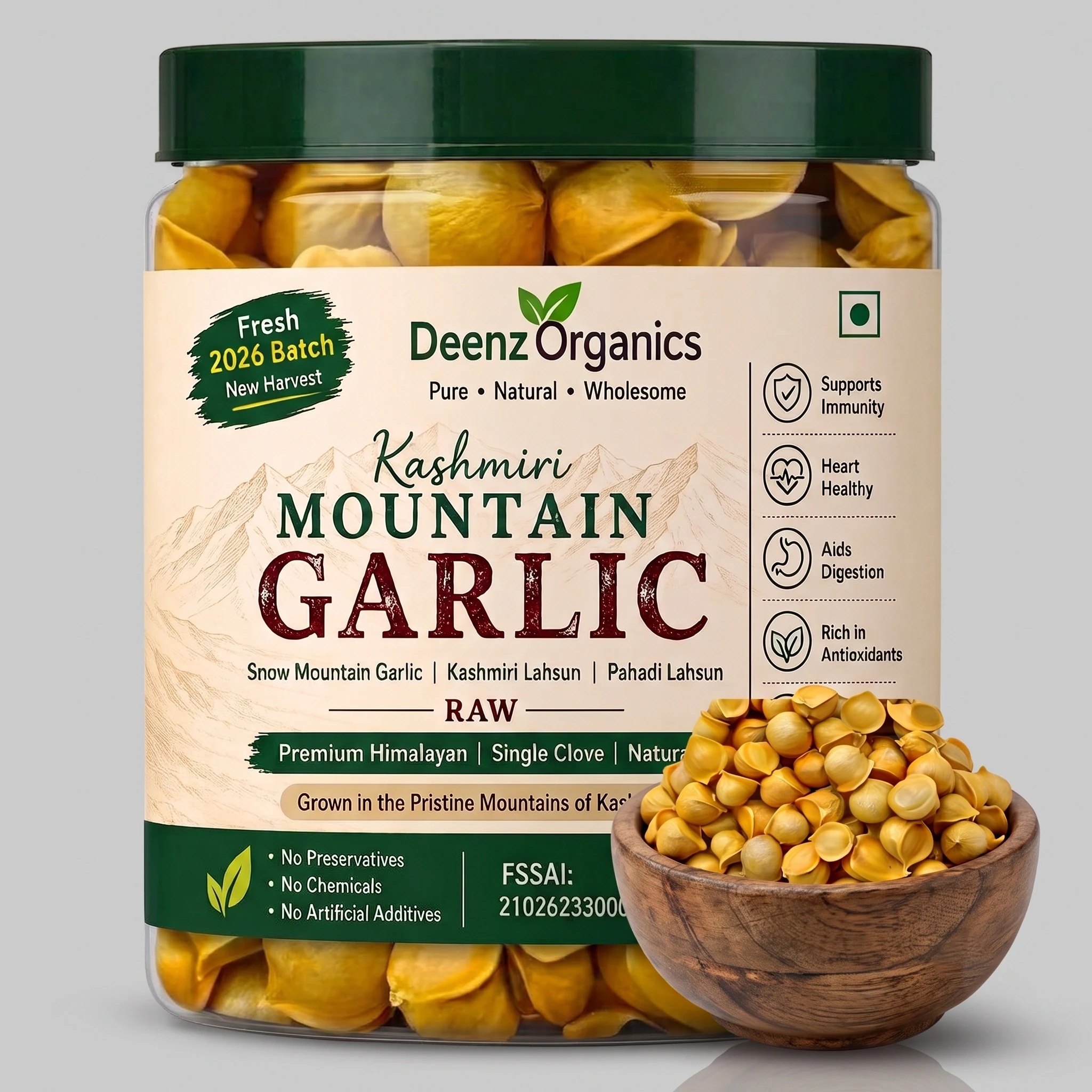
Pahadi Lahsun is a small, single-clove garlic grown in the high hills of Kashmir. In Hindi, "pahadi" means "of the hills," and "lahsun" means garlic. So the name simply means hill garlic.
This same garlic is known by many names in different places. People call it Kashmiri Lahsun, Ek Pothi Lahsun, because "ek" means one and "pothi" means one clove or bulb, Snow Mountain Garlic, Himalayan Garlic, and sometimes Pink Garlic, because of its light pink-purple skin.
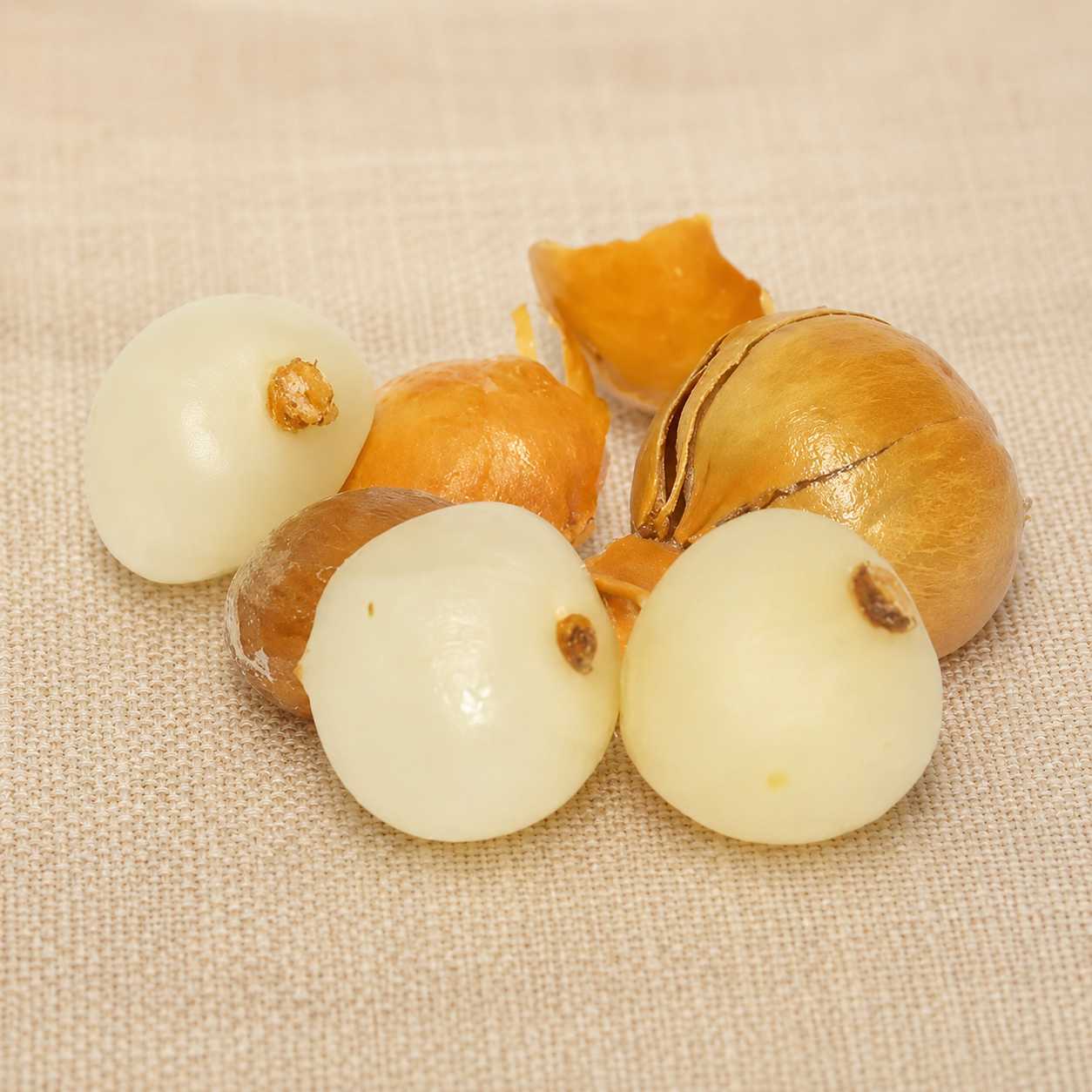
All these names point to the same plant. It is not a different species from normal garlic. It is the same plant, Allium sativum, but grown in a very different place, which changes how it looks, smells and tastes.
Where Pahadi Lahsun Is Grown
Pahadi Lahsun grows mainly in the high hills of South Kashmir, in areas like Anantnag, Kulgam and Pulwama. These are real mountain areas, not just flat land with a hill-sounding name.
But it is not limited to only these places. This single-clove garlic is native to the wider mountain belt of Jammu and Kashmir, and it grows well across the western Himalayas at altitudes of up to about 1,800 metres. This is also one reason it is sometimes called Jammu Garlic in some markets, alongside its more common name, Kashmiri Lahsun.
At this height, winters are cold, temperatures can drop well below freezing, and snow covers the ground for months every year. Farmers have grown this garlic in these hills for many generations, mostly for home use and local sale, which is one reason it is still not found in every shop outside the region. Our own supply comes directly from small growers in the South Kashmir hills.
How Pahadi Lahsun Grows: A Slow Process
Normal garlic grows fast, in warm, flat land, and splits into many small cloves. Pahadi Lahsun grows in a different way.
In cold, rocky mountain soil, the plant grows slowly. It can take several months for one bulb to fully form as a single, solid clove, instead of splitting into many small parts. During this slow time, the natural oils and flavour of the plant stay together in one place, instead of spreading out across many small cloves.
This slow growing time is one big reason Pahadi Lahsun tastes and smells much stronger than regular garlic. It is also why the harvest is smaller, and why this garlic usually costs more than garlic grown in the plains.
Quick Facts About Pahadi Lahsun
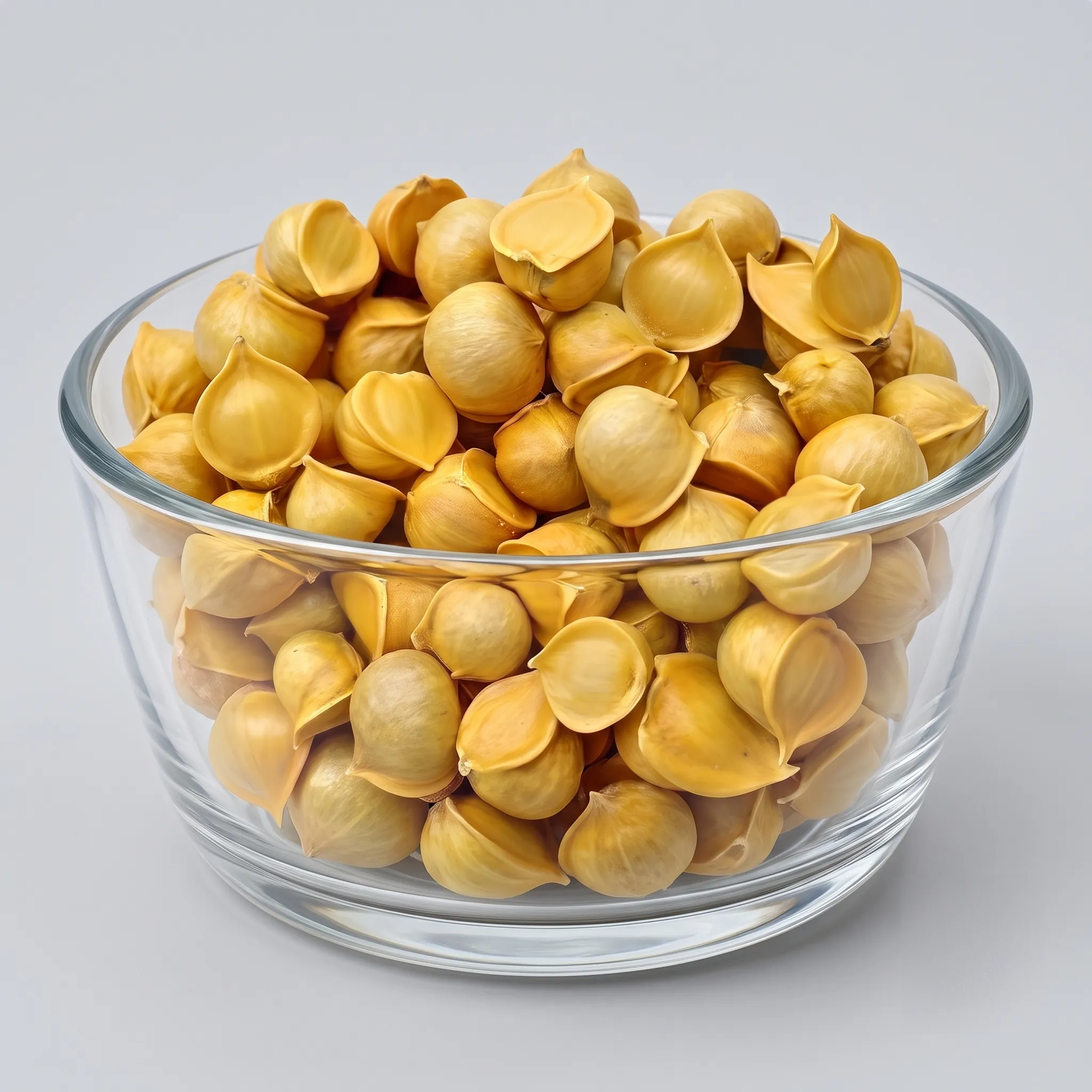
Pahadi Lahsun is a single-clove garlic, also called Ek Pothi Lahsun. One bulb has only one solid clove inside, not many small ones like regular garlic.
It is grown at high altitude, above 1,800 metres, in the hills of South Kashmir. The outer skin is thick and papery, often with a light pink-purple tint, and a genuine bulb feels firm and heavy for its size.
Possible Benefits of Pahadi Lahsun: What We Actually Know
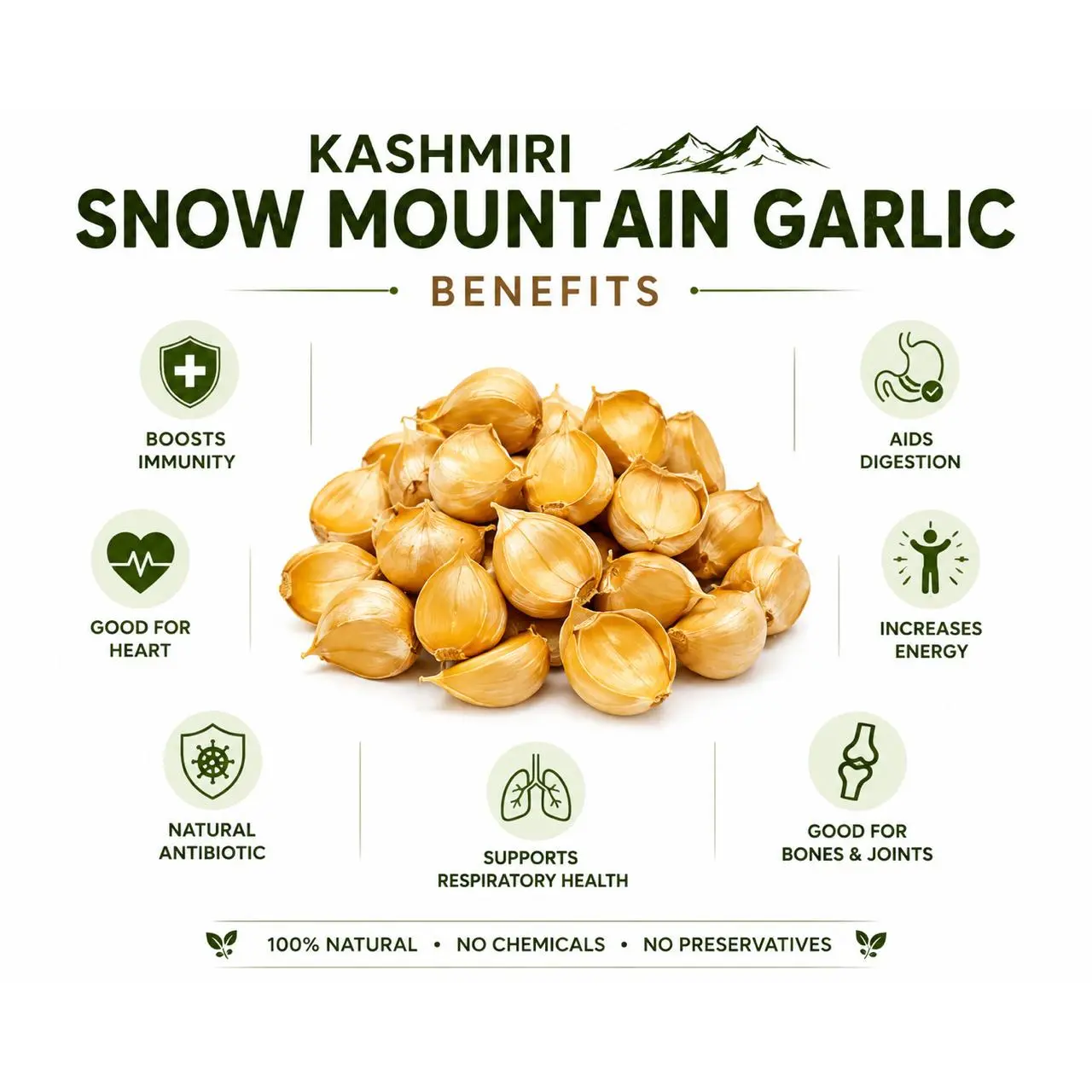
Like regular garlic, Pahadi Lahsun naturally contains a compound called allicin, which forms when the clove is crushed or cut. Garlic as a food has been studied for its natural compounds, and this may be part of why families in Kashmir have valued this garlic for so long.
Some published research on garlic in general, has looked at overall health, immune support and other. For example, one large analysis of clinical trials found that eating pahadi garlic was linked with a small drop in blood pressure, on average, compared with people who did not eat extra garlic. A separate human study found that people taking pahadi garlic extract daily showed some support to immune cell activity during cold and flu season.
If you would like to read this research in more detail, with sources, we have a separate page for that: Kashmiri Lahsun Benefits – What Research Actually Says.
Traditional Use in Kashmiri Homes
In Kashmiri homes, Pahadi Lahsun is not only a kitchen spice. For generations, families have used it in cooking, and some elders eat a single raw clove in the morning during winter, as an old home habit.
In an authentic Kashmiri wazwan, this garlic is valued for its strong smell and taste. Many traditional gravies are considered incomplete without it.
We want to be clear that this is a tradition, passed down in families, and not a medical claim. We are simply sharing how it is used at home.
How to Use Pahadi Lahsun, With a Simple Recipe
Break the hard outer shell by hand to take out the single clove inside. Peel the thin skin off, the same way you peel normal garlic.
For a simple tadka, heat one tablespoon of oil or ghee in a small pan. Add half a teaspoon of cumin seeds, then one crushed clove of Pahadi Lahsun. Cook on low heat for about thirty seconds, until you smell the aroma, then pour this tadka over your dal or curry.
For the traditional raw method, crush one clove, let it rest for a few minutes, then take it with a glass of warm water on an empty stomach. Since this garlic is much stronger than regular garlic, start with a small piece and see how your body responds.
Store unused bulbs in a cool, dry place, away from direct sunlight. They will stay good for several weeks.
How to Buy Real, Organic Pahadi Lahsun
Because Pahadi Lahsun is in demand, some sellers use the name for regular multi-clove garlic. Here is how to check for the real one.
A genuine bulb feels firm and heavy, not light or hollow. The outer skin is dry and papery, often with a light pink-purple tint. When you break it open, it should give one single, solid clove. If it splits into many small cloves, it is not the real single-clove mountain variety.
For organic or naturally grown garlic, look for a seller who is open about where the garlic comes from. We source our Pahadi Lahsun directly from small farmers in the Kashmir hills, and every batch is hand-sorted before packing. You can see current stock and pack sizes on our Kashmiri Mountain Garlic (Ek Pothi Lehsun) product page.