
What Kashmiri families have always believed
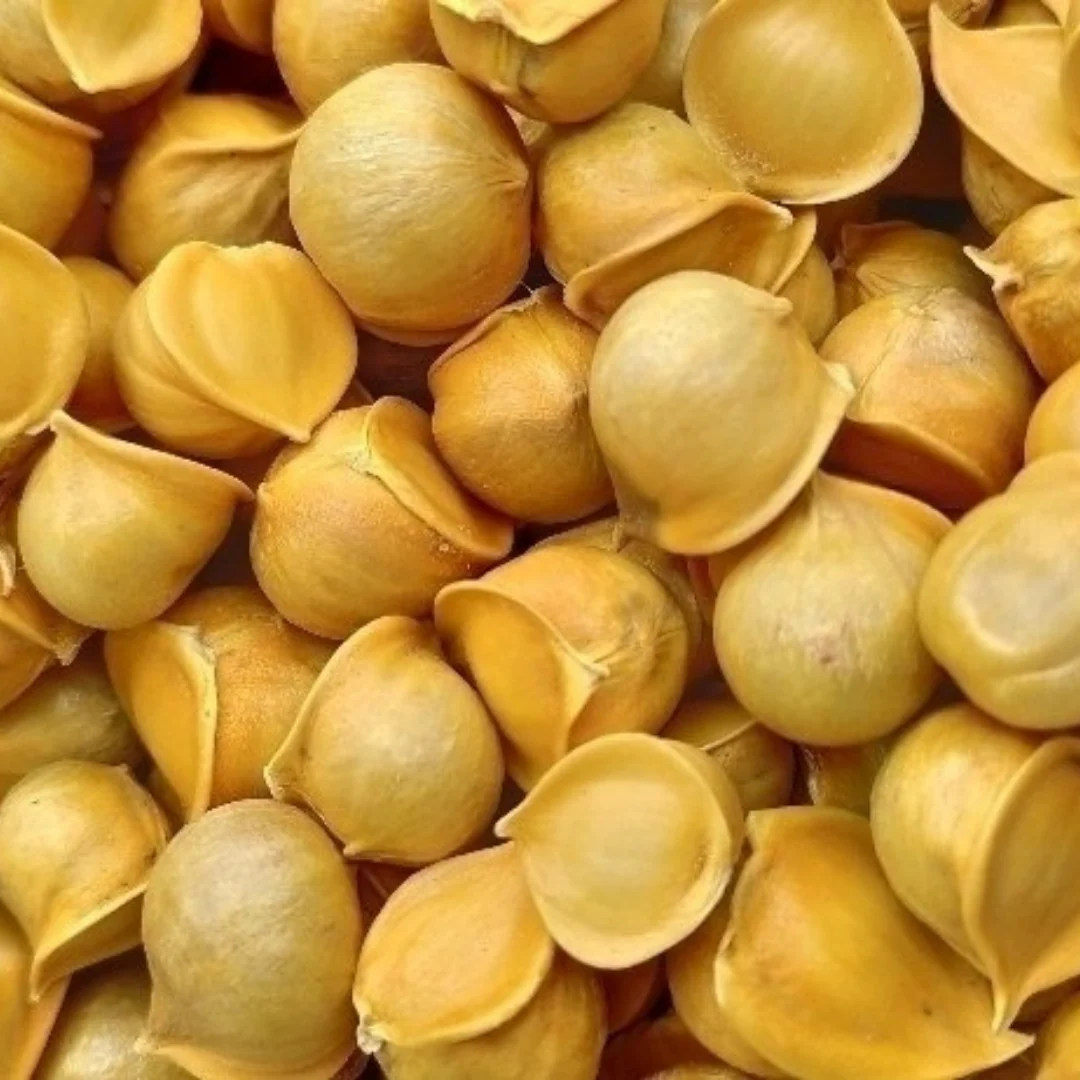
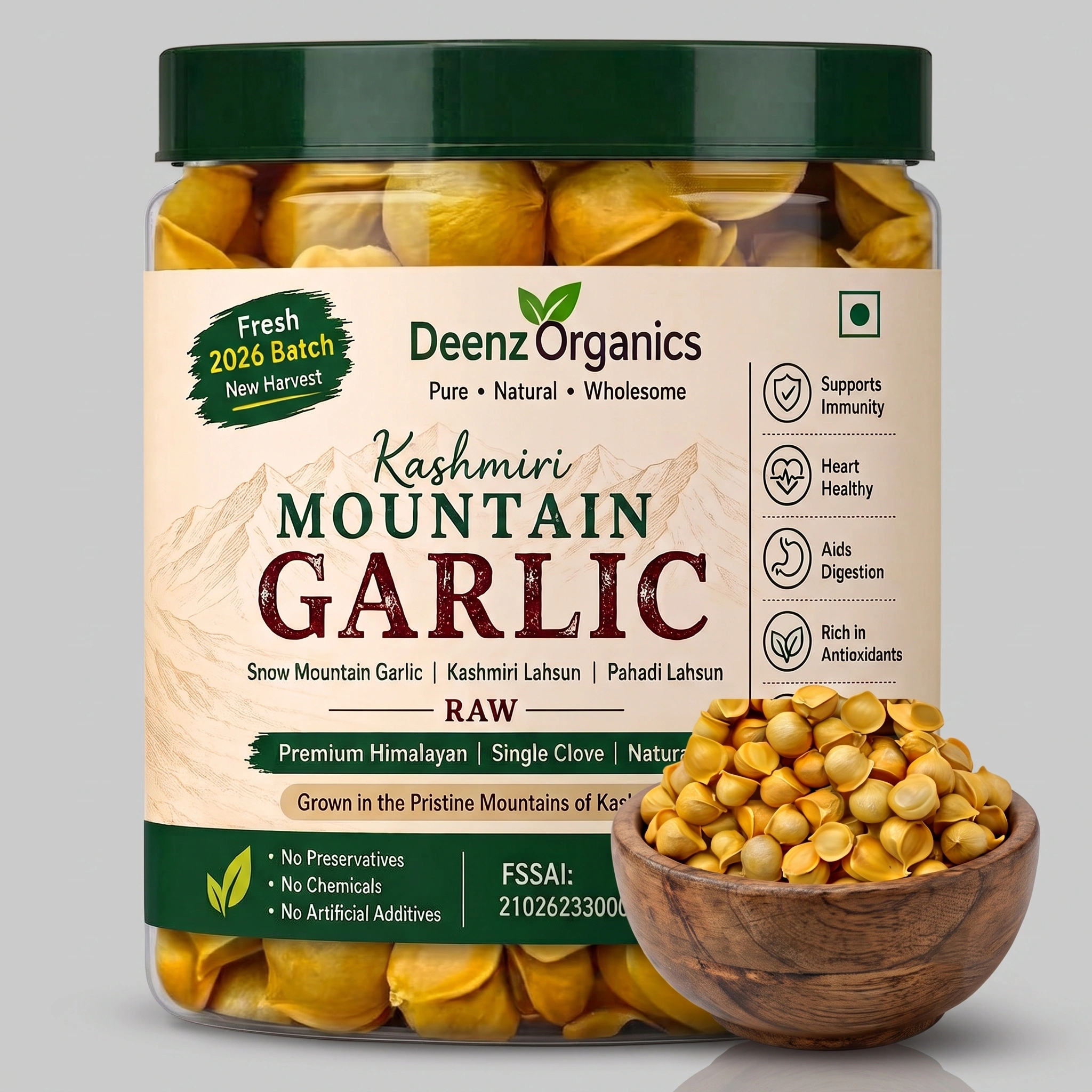
In Kashmiri homes, elders have always said that this single-clove mountain garlic is stronger than the ordinary garlic sold in the local bazaar. A grandmother crushing one raw Ek Pothi Lahsun in the morning, or adding it to a tadka, is said to keep the body warm through the cold Himalayan winter. In an authentic Kashmiri wazwan, this garlic is prized for its strong aroma — many say the curry is not complete without it. This is old mountain knowledge, passed down in families, and it still shapes how many households cook today.
What is actually inside one clove
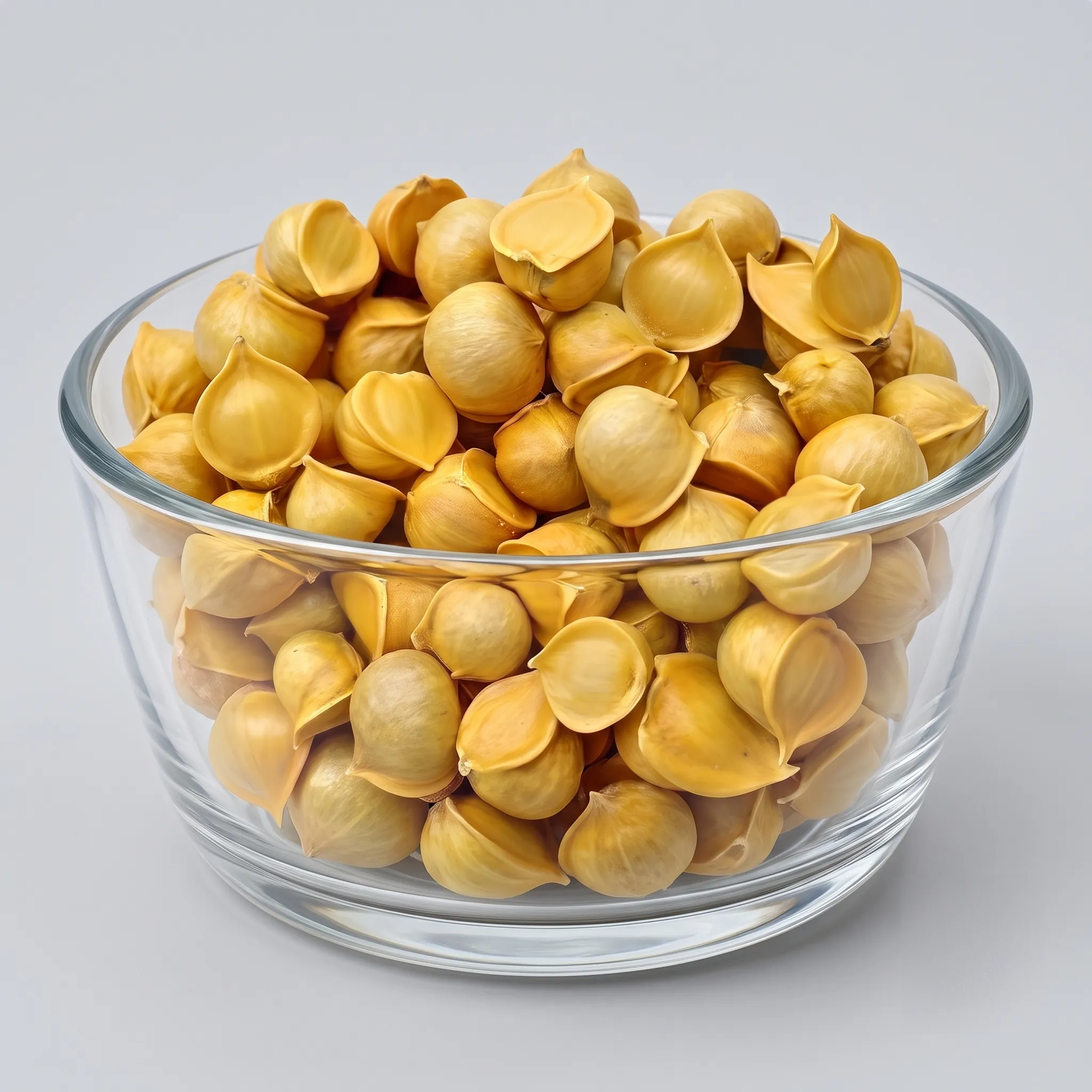
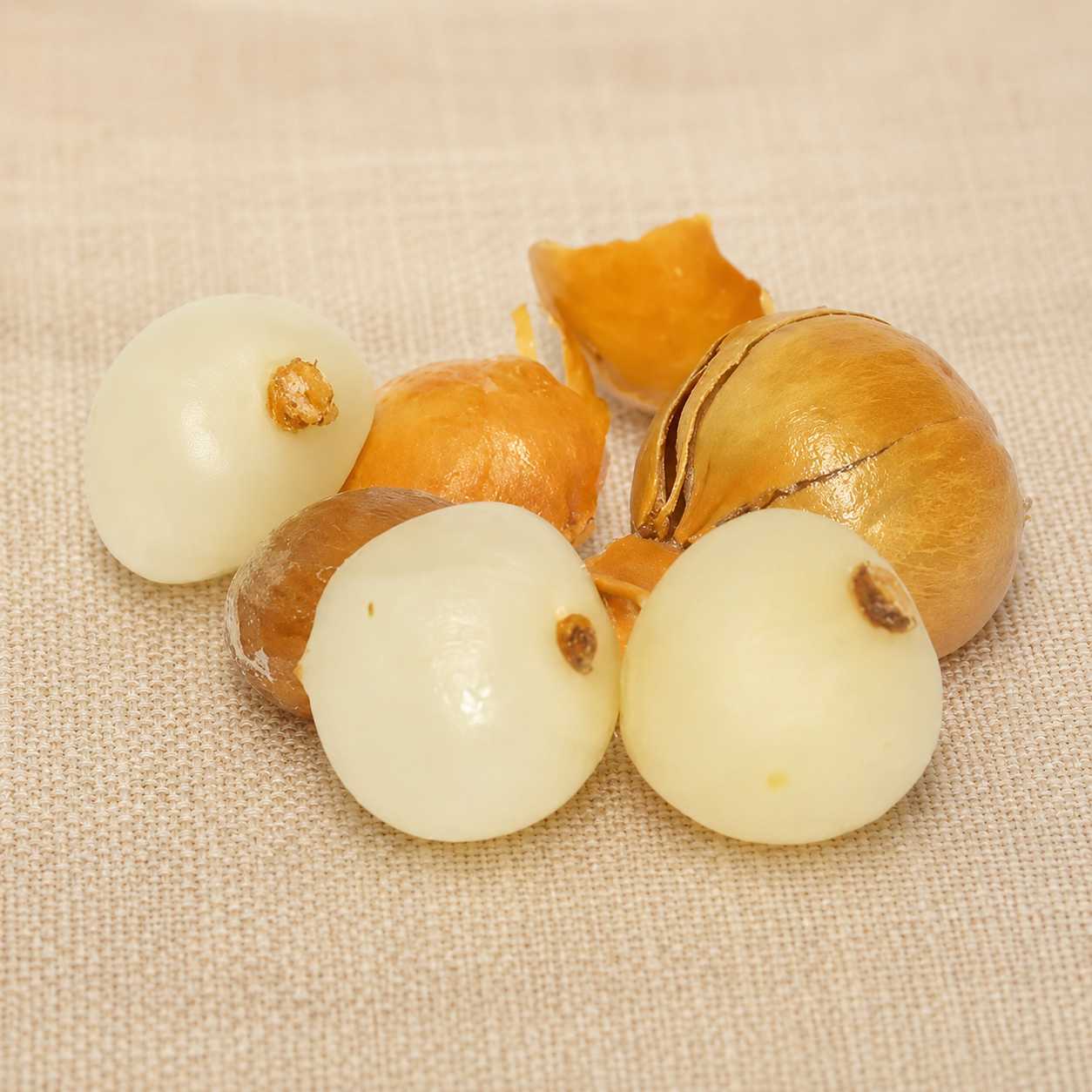
Unlike normal garlic, which splits into many small cloves, Kashmiri Lahsun grows as one single, solid bulb in the cold soil around Pampore, Pahalgam and Kulgam. Each clove naturally has vitamin C, vitamin B6, manganese and selenium in it. When you crush or cut the clove, a natural reaction forms a compound called allicin — this is the sharp smell and taste garlic is known for. A whole, uncrushed clove has very little allicin in it; it forms only after crushing, which is why crushing fresh, just before eating, matters.
What research says about blood pressure, immunity and skin — honestly
Three questions come up most often. We want to tell you clearly what the studies actually found, and just as clearly what they did not. Blood pressure: A 2016 study that combined results from 20 clinical trials, with more than 900 people, published in The Journal of Nutrition, found that eating garlic was linked to a small drop in blood pressure — around 5 points systolic and 2-3 points diastolic, on average, compared to people who did not eat extra garlic. The effect was bigger in people who already had high blood pressure. This is research on garlic in general, not proof about this specific product, and it does not mean garlic can replace medicine for blood pressure.[1] Immunity: Kashmiris have eaten raw mountain garlic through harsh winters for generations. A proper human study from the University of Florida, published in Clinical Nutrition in 2012, gave 120 healthy adults garlic extract daily for 90 days through cold and flu season. People taking garlic showed stronger activity in certain immune cells, and those who did catch a cold recovered a little faster than those on placebo. It is a real clinical trial, though it studied garlic extract in general, not raw Ek Pothi garlic specifically.[2] Skin use: When you crush garlic, it releases allicin. A lab study published in Microbes and Infection in 1999 found that allicin can fight many types of bacteria and fungus in a laboratory setting.[3] This may be part of why crushed garlic paste has long been used on skin in Kashmiri home remedies. But because this evidence mostly comes from lab testing, not large trials on real patients, it is better to see this as a traditional, food-based practice — not a proven treatment. Always do a patch test first, since raw mountain garlic is strong and can irritate sensitive skin.
How we suggest using it at home
Kashmiri Snow Mountain Garlic comes with a hard, papery outer shell. Break this open by hand to get the single whole clove inside. For a daily habit, many people crush one clove, let it rest for about 5 minutes so the allicin can form, then take it with a glass of warm water. For cooking, peel and crush 5-12 cloves for tadka, chop for curries, or grind with walnut for a traditional Doen Chetin chutney — our Walnut Kernels (Akhrot Giri) work well for this. Because this garlic is much stronger than normal garlic, a little goes a long way.
A quick, honest note
Kashmiri Mountain Garlic is a food product, not a medicine. Everything on this page is for general information only, based on published research on garlic and its natural compounds.